Your pricing page isn’t a menu. It’s a decision environment, and most small businesses build theirs by accident.
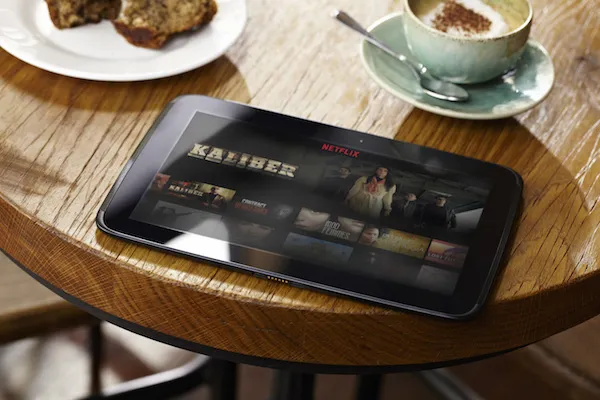
Netflix didn’t. Look at their U.S. lineup: Standard with ads (cheapest), Standard (no ads, one more screen), Premium (4K, more devices, spatial audio). Nobody opens Netflix excited to compare plan architecture. They just want to watch the show before the internet spoils it. But the pricing page still gets studied like a stock chart: can I live with ads, do I need 4K, how many people are splitting this account.
That’s not an accident. It’s the Anchoring Effect and the Compromise Effect working on you at the same time.
The Anchoring Effect. People rarely judge a price on its own. They judge it against whatever’s sitting next to it. Show someone a $22.99 plan by itself and they’ll hesitate. Show them that same $22.99 plan next to a $6.99 option and a $10.99 option, and it stops looking expensive. It looks like the “real” version of the product, and the cheap option starts looking like the version you settle for.
The Compromise Effect. When people don’t have strong priors about what something should cost, they gravitate to the middle option. Three tiers isn’t a coincidence; it’s the format that makes a compromise available. The cheapest plan makes the middle one feel reasonable. The most expensive plan makes the middle one feel smart, not cheap.
Here’s how that applies if you run a service business, a subscription product, or even a menu of consulting packages:
- Never price in isolation. A single price point has nothing to be judged against except the number in someone’s head, which is usually “zero.” Give it company.
- Build a deliberate middle tier. Don’t just have a “basic” and a “premium.” The middle option is what most people actually choose, and it’s the one you should be most proud to sell.
- Make the top tier aspirational, not realistic. Its job isn’t to sell many units. Its job is to make the middle tier look like the sensible choice.
- Decide what you want people to buy, then build the anchor around it. Most businesses default to the cheapest tier being their real offer and hope people upgrade. Flip it: design your pricing page so the plan you actually want to sell is the obvious “smart” choice.
Netflix runs constant tests on this. A local service business rarely does, which means the businesses that start paying attention to pricing psychology have an edge that costs nothing to capture. It’s not about charging more. It’s about presenting the same price in a way that people can actually evaluate.
This piece originally ran on Young Upstarts. Read it there too.
