
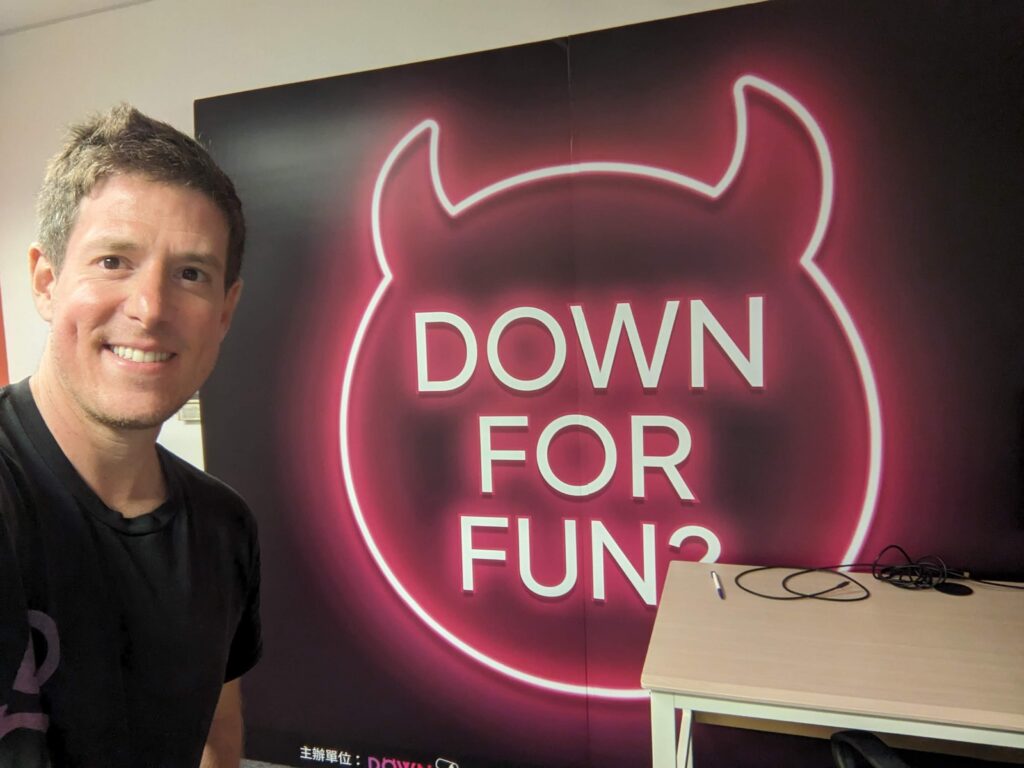
Selling your company is supposed to be the finish line. For me, it was the beginning of one of the strangest chapters of my career. In this episode of The Exited Founder Podcast, I sit down with Todd Sullivan, Managing Partner at ExitWise, to walk through the full story: building a viral app from scratch, navigating an acquisition, getting forced out in a fire sale, and then buying my own company back and growing it to 10 times the size it was when I sold it.
From Fixing Computers at 15 to Silicon Valley
I started my first company at 15, fixing and building computers. After college I went into big tech, working at Microsoft and interning at Amazon. But I kept craving more direct impact, so when the smartphone era kicked off, I jumped into apps. That’s when I learned the hard lesson that almost every early founder learns: if you build it, they will not come. You have to understand marketing, growth, and the humans on the other side of the screen.
Going Viral Before Being Ready
My first major success was a pivot into the casual dating space with an app called Bang with Friends. It took off because it tapped into a genuinely human curiosity: which of your Facebook friends would want to hook up with you? We hit one million users in under four months. It felt incredible, and it was also a trap. We were not ready to scale the experience, and I was chasing vanity metrics instead of building real retention. That caught up with us.
The Rebrand That Saved the Company
What looked like a series of crises turned out to be the opportunity to build something better. A major gaming studio sued us for trademark infringement. Apple kicked us off the App Store because the concept was too offensive for them at the time. We realised the “with friends” framing was limiting our network and the “Bang” branding was too narrow for where we wanted to go. We rebranded to DOWN, a wider and more open-minded approach to dating, and it helped us reach an entirely new audience.
The Sale I Wasn’t Fully Prepared For
About a year and a half in, bankers approached us and sold us the dream of a big exit. They shopped us around to dating companies and PE firms, but because we were pre-revenue and in the casual space, there was real hesitation. Eventually a competitor from Asia came knocking. What started as an investment conversation became an acquisition.
One of the biggest regrets I share in the book is that I should have monetised much earlier. We were stuck in no man’s land: no longer growing at a huge rate, but with zero revenue to base a valuation multiple on. Once we did start monetising, we went from zero to $75,000 a month very quickly. Had I done that 12 months earlier, the valuation would have been completely different.
Life Inside the Acquirer
They bought us for the assets but also wanted me to run their Labs division. My growth was 100% organic, which was the opposite of how they operated. I led the acquisition of two other apps and eventually became Chief Growth Officer of the parent company after we merged with a large live-streaming company in Asia.
The Fire Sale
The parent company wanted to go public in the US as a unicorn IPO. The bankers flagged DOWN, formerly Bang with Friends, as a liability that would distract investors from the main live-streaming story. They forced a fire sale. I found out they had sold my company to a former employee whose own app was much bigger. I knew it would be dead within six months under his neglect. I negotiated to buy it back for the same price he paid. That was the turning point.
Building It the Right Way
Since buying it back, we have 10xed the business. The biggest difference is how we run it. We have worked hard to separate ourselves from the day-to-day so the company does not rely on us personally. We have built a high-quality team, automated our processes, and I now only check in once or twice a week. The business runs like an engine independent of the founders, which also makes it a far more valuable and transferable asset for a future buyer.
What I Can Now Offer Other Founders
I have been through the full life cycle: building, scaling, selling, watching it nearly collapse, buying it back, and growing it again. Most investment bankers focus on the spreadsheets and overlook the emotional side of an exit entirely. When emotions get mixed up with business decisions, bad outcomes follow. I help founders level-set, identify the growth channels that will actually raise their valuation during a transaction, and navigate the process with clear eyes.
Want More?
The full story and the frameworks behind it are in my book Outrageous Startup Growth, published by Wiley. You can read sample chapters and find everything else at colinhodge.com.
Listen on your favorite platform: Apple Podcasts | Spotify | YouTube | Amazon Music | Pocket Cast | Overcast